Introduction
When we think of exercise, we often focus on its physical benefits—building muscle, increasing endurance, and improving cardiovascular health. However, exercise isn’t just good for the body; it also offers incredible benefits for the mind. From reducing stress to improving mood and cognitive function, regular physical activity plays a vital role in supporting mental health. If you’re looking for a way to boost your mood, sharpen your focus, or reduce anxiety, exercise could be the solution you’ve been searching for. Let’s dive into the powerful ways exercise can positively affect your mental health.
How Exercise Affects the Brain
Exercise has a direct impact on the brain, improving both short-term and long-term mental health. When you exercise, your body releases chemicals known as endorphins, often referred to as “feel-good hormones.” These neurotransmitters help reduce pain, elevate mood, and promote a sense of happiness and well-being. Additionally, exercise increases the flow of oxygen-rich blood to the brain, which helps improve overall brain function and health.
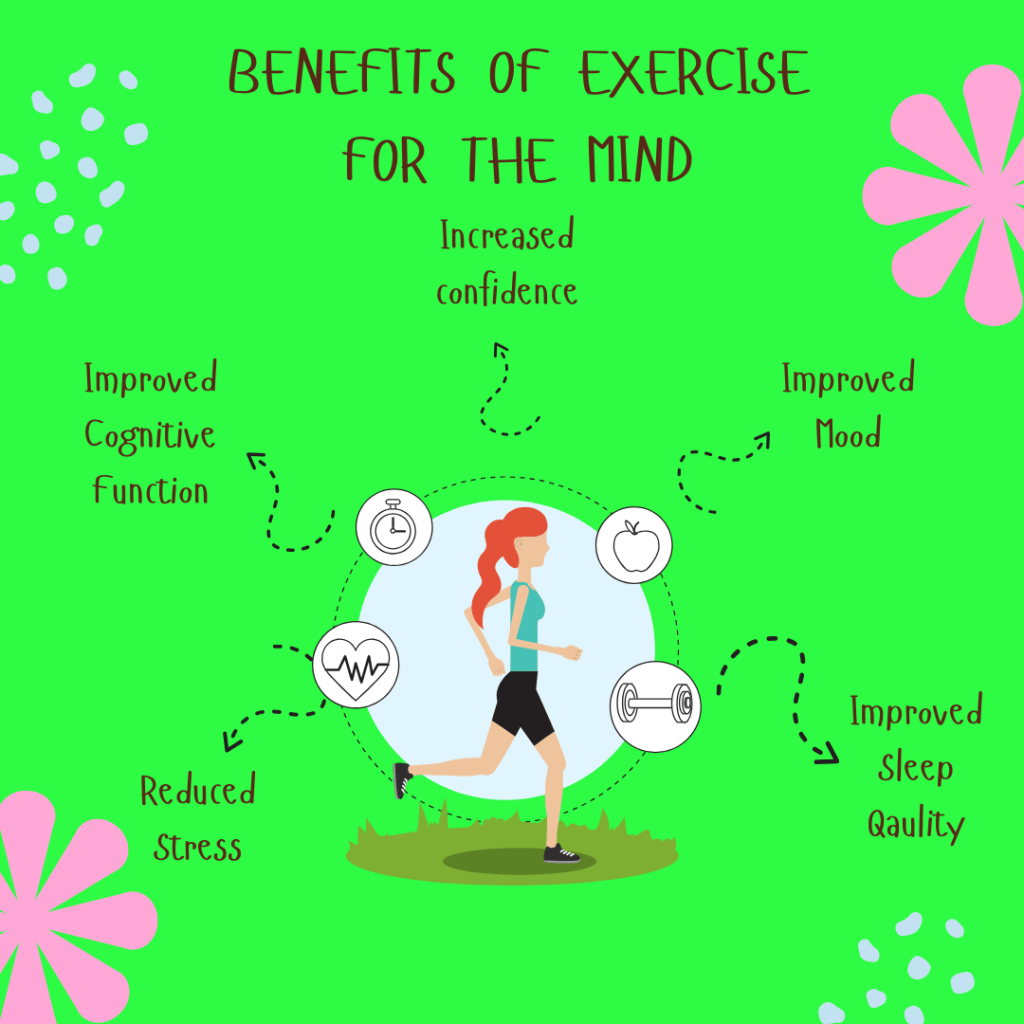
The Mental Health Benefits of Regular Exercise
Here are some of the key mental health benefits that regular exercise can provide:
- Reduced Stress and Anxiety Exercise has been shown to significantly reduce levels of stress and anxiety. Physical activity helps regulate the body’s stress hormones, such as cortisol, while simultaneously promoting the release of endorphins. Whether you’re going for a walk, hitting the gym, or practicing yoga, exercise can help calm your mind, reduce feelings of anxiety, and promote relaxation.
- Improved Mood and Depression Relief Exercise can be an effective natural remedy for symptoms of depression. Engaging in physical activity stimulates the production of endorphins and serotonin, both of which are chemicals that enhance mood and create a sense of well-being. Regular exercise can act as a natural antidepressant, reducing the severity of depression symptoms and even helping prevent future episodes.
- Enhanced Cognitive Function Physical activity isn’t just good for your body; it’s good for your brain, too. Exercise has been linked to improved memory, concentration, and overall cognitive function. Regular exercise increases the production of growth factors in the brain that promote the development of new neurons and strengthen existing connections. This can help boost creativity, enhance learning, and improve your ability to focus and think clearly.
- Better Sleep Sleep plays a critical role in mental health, and regular exercise can help you get better, more restful sleep. Exercise increases the amount of deep sleep you get, which is essential for mental clarity and emotional regulation. By regulating your circadian rhythm, physical activity makes it easier to fall asleep, stay asleep, and wake up feeling refreshed.
- Boosted Self-Esteem and Confidence When you exercise regularly, you’re not only improving your physical health but also your self-esteem and body image. As you become fitter and stronger, you may notice a boost in confidence and overall satisfaction with yourself. Physical activity helps you feel accomplished and gives you a sense of pride in your achievements, both big and small.
- Reduced Risk of Cognitive Decline Regular exercise plays an important role in brain health as we age. Studies have shown that engaging in physical activity can reduce the risk of cognitive decline and conditions like Alzheimer’s disease. Exercise helps preserve brain function by increasing blood flow and oxygen to the brain, promoting the growth of new brain cells, and improving the connectivity of neurons. This can help keep your mind sharp and reduce the risk of age-related memory issues.
The Best Types of Exercise for Mental Health
While any form of physical activity can benefit the mind, some exercises have been found to be particularly effective for mental health:
- Aerobic Exercise (Cardio) Activities like running, cycling, swimming, and dancing are great for improving mood, reducing stress, and boosting cognitive function. Cardio workouts increase heart rate, promote endorphin release, and improve circulation to the brain, making them powerful tools for mental well-being.
- Strength Training Lifting weights or engaging in resistance training can also have a positive impact on mental health. Strength training has been linked to reductions in anxiety and depression, as well as improved cognitive function. It’s also an excellent way to boost self-confidence as you watch your body grow stronger.
- Yoga and Mindfulness Yoga combines physical movement with deep breathing and meditation, which can help calm the mind and reduce stress. Regular yoga practice can improve mood, increase mental clarity, and enhance overall emotional well-being. Mindfulness meditation, often practiced alongside yoga, helps foster a sense of presence and peace, making it an excellent way to reduce anxiety and promote mental calm.
- Walking or Hiking Walking or hiking in nature is a wonderful way to reduce stress, clear your mind, and improve your mood. Studies have shown that spending time outdoors in green spaces can have a calming effect on the brain and improve mental health. Even a short walk around your neighborhood can provide an instant mental boost.
Tips for Incorporating Exercise into Your Routine
Making exercise a regular part of your routine can be challenging, but with the right approach, it’s entirely achievable. Here are a few tips to help you stay consistent:
- Start Small: If you’re new to exercise, start with just 10–15 minutes a day and gradually increase your time as you feel more comfortable.
- Find an Activity You Enjoy: Exercise shouldn’t feel like a chore. Find activities you genuinely enjoy, whether it’s dancing, swimming, hiking, or playing sports, to make it more fun and sustainable.
- Set Realistic Goals: Set achievable fitness goals that align with your lifestyle. Celebrate small milestones along the way to stay motivated.
- Make It a Habit: Incorporate exercise into your daily routine at a consistent time. Whether it’s in the morning, during lunch, or after work, consistency is key to reaping the mental health benefits of exercise.
- Exercise with a Friend: Having an exercise buddy can help keep you accountable and make physical activity more enjoyable. Plus, socializing during exercise can add to the mental health benefits.
Conclusion
Exercise is not just about building a strong body—it’s about building a strong mind. Regular physical activity can significantly improve your mental health by reducing stress, anxiety, and depression, boosting cognitive function, and promoting better sleep. Whether it’s cardio, strength training, yoga, or simply taking a walk, exercise is one of the most powerful tools you have to improve your overall well-being.
So, lace up your sneakers, find an activity that works for you, and start reaping the mental health benefits of exercise today. 🌸
 The Wellness Blossom
Leave a comment