Music is more than just entertainment—it has profound effects on the brain and body. Whether you’re feeling stressed, anxious, or simply in need of a mood boost, listening to the right kind of music can be a powerful tool for improving mental health. But what is the science behind music’s healing effects? How does it influence your psychological state? In this blog, we’ll explore the mental health benefits of music, the science behind its impact on the brain, and how you can use music to enhance your well-being.
🎵 The Science Behind Music and Mental Health
Research shows that listening to music stimulates multiple areas of the brain, including those associated with emotion, memory, and reward. Music can trigger the release of dopamine, a neurotransmitter linked to pleasure and motivation, which explains why we feel good when listening to our favorite songs.
How Music Affects the Brain
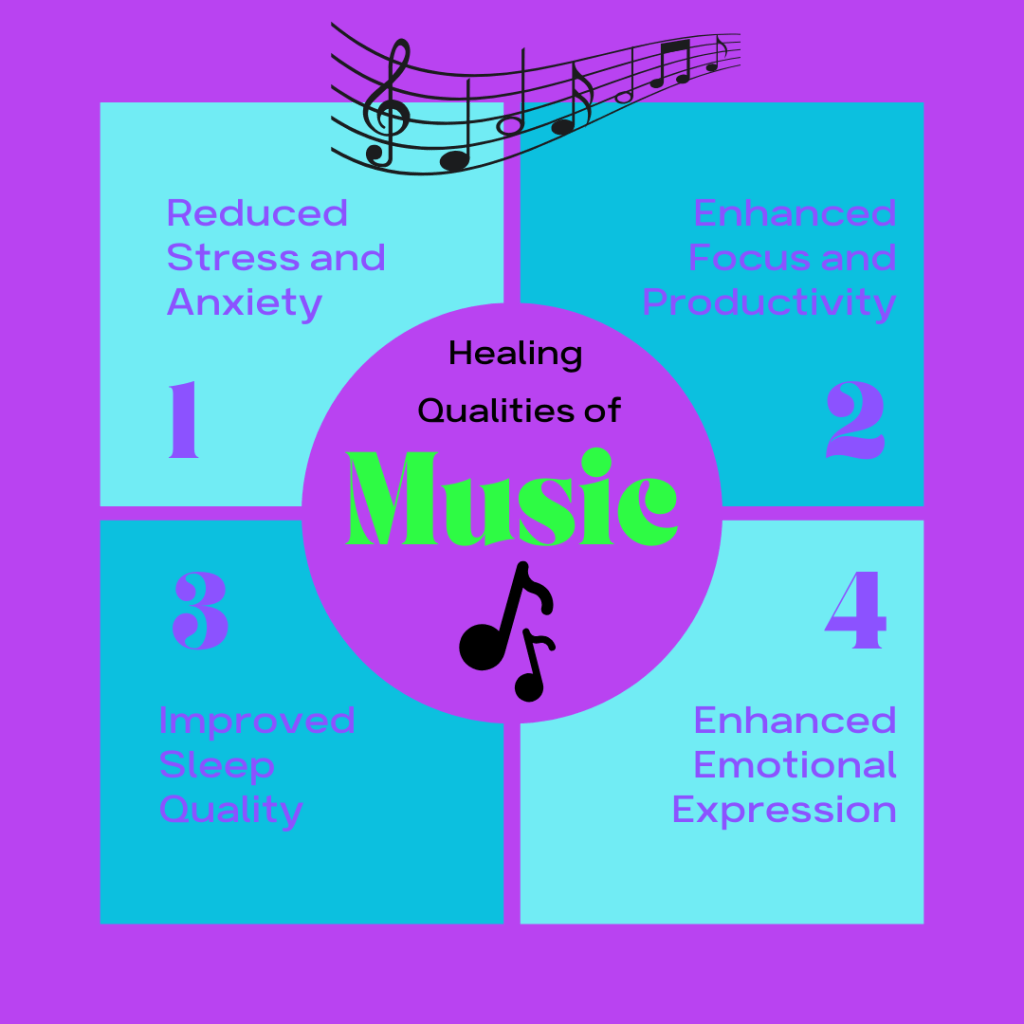
- Reduces Stress & Anxiety – Slow, calming music lowers cortisol (the stress hormone), helping you feel more relaxed.
- Boosts Mood & Happiness – Upbeat music increases dopamine and serotonin, improving overall mood.
- Enhances Focus & Productivity – Instrumental music, particularly classical or lo-fi beats, can improve concentration and cognitive performance.
- Aids Memory & Learning – Studies suggest that background music can enhance memory recall and learning ability.
- Improves Sleep Quality – Listening to soft, slow-tempo music before bed can promote relaxation and deeper sleep.
According to a 2021 study published in Frontiers in Psychology, music therapy can significantly reduce symptoms of depression and anxiety by enhancing emotional regulation and social connection.
🎶 The Mental Health Benefits of Listening to Music
- Reduces Stress and Anxiety
- Listening to soothing music (such as classical, ambient, or nature sounds) helps regulate breathing and lower stress levels.
- A study from Stanford University found that slow-tempo music has the same effect on the brain as meditation.
- Lifts Mood and Reduces Symptoms of Depression
- Upbeat, energetic music increases endorphins, helping combat feelings of sadness and fatigue.
- Music therapy is often used to treat depression and PTSD by fostering emotional expression and processing.
- Enhances Emotional Expression
- Music provides a safe outlet to process emotions, making it especially beneficial for those struggling with anxiety or grief.
- Lyrics that resonate with personal experiences can offer comfort and validation.
- Supports Mindfulness and Relaxation
- Engaging with music mindfully—such as focusing on the melody, rhythm, and lyrics—promotes relaxation and reduces overthinking.
- Practices like sound therapy and binaural beats are used for deep relaxation and meditation.
🎧 Best Types of Music for Mental Well-Being
Not all music affects the brain in the same way. Here’s how different genres can influence your psychological state:
- Classical Music – Enhances focus, relaxation, and cognitive function.
- Lo-Fi or Ambient Music – Helps with productivity and stress reduction.
- Jazz & Blues – Promotes emotional healing and creativity.
- Upbeat Pop or Dance Music – Boosts energy and improves mood.
- Nature Sounds & Meditation Music – Ideal for relaxation and sleep.
What About Lyrics?
Lyrical content matters—songs with positive, uplifting lyrics can reinforce self-confidence and motivation, while negative or emotionally heavy songs can sometimes amplify sadness.
🎼 How to Use Music for Mental Health
Want to make the most of music’s healing benefits? Try these tips:
✔ Create Playlists for Different Moods – Have separate playlists for relaxation, motivation, and focus.
✔ Listen to Music While Exercising – Fast-paced beats can enhance stamina and motivation.
✔ Use Music for Mindfulness – Sit in a quiet space, close your eyes, and fully absorb the sounds.
✔ Incorporate Music into Your Night Routine – Slow-tempo tunes can help you unwind before bed.
✔ Experiment with Music Therapy – If you struggle with anxiety or depression, consider guided music therapy sessions.
🌟 Final Thoughts
Music is a powerful, science-backed tool for improving mental well-being, reducing stress, and boosting happiness. Whether you’re unwinding after a long day or looking for motivation, the right playlist can make all the difference. So, put on your favorite song, relax, and let the healing power of music uplift your mind and body.
For more wellness tips, follow The Wellness Blossom and stay inspired on your journey to better health. 🌸
 The Wellness Blossom
Leave a comment