When it comes to fitness, many people focus on the workout itself—lifting heavier, running faster, or pushing past limits. However, two essential components often get overlooked: warming up and cooling down. These crucial pre- and post-workout practices not only enhance performance but also prevent injuries, reduce soreness, and promote overall well-being. Whether you’re a beginner or an experienced athlete, integrating proper warm-ups and cool-downs into your routine can make a significant difference.
Why Warming Up Matters
A proper warm-up prepares your body for physical activity by gradually increasing your heart rate, circulation, and body temperature. This process helps loosen up muscles, lubricate joints, and improve overall mobility.
Key Benefits of Warming Up:
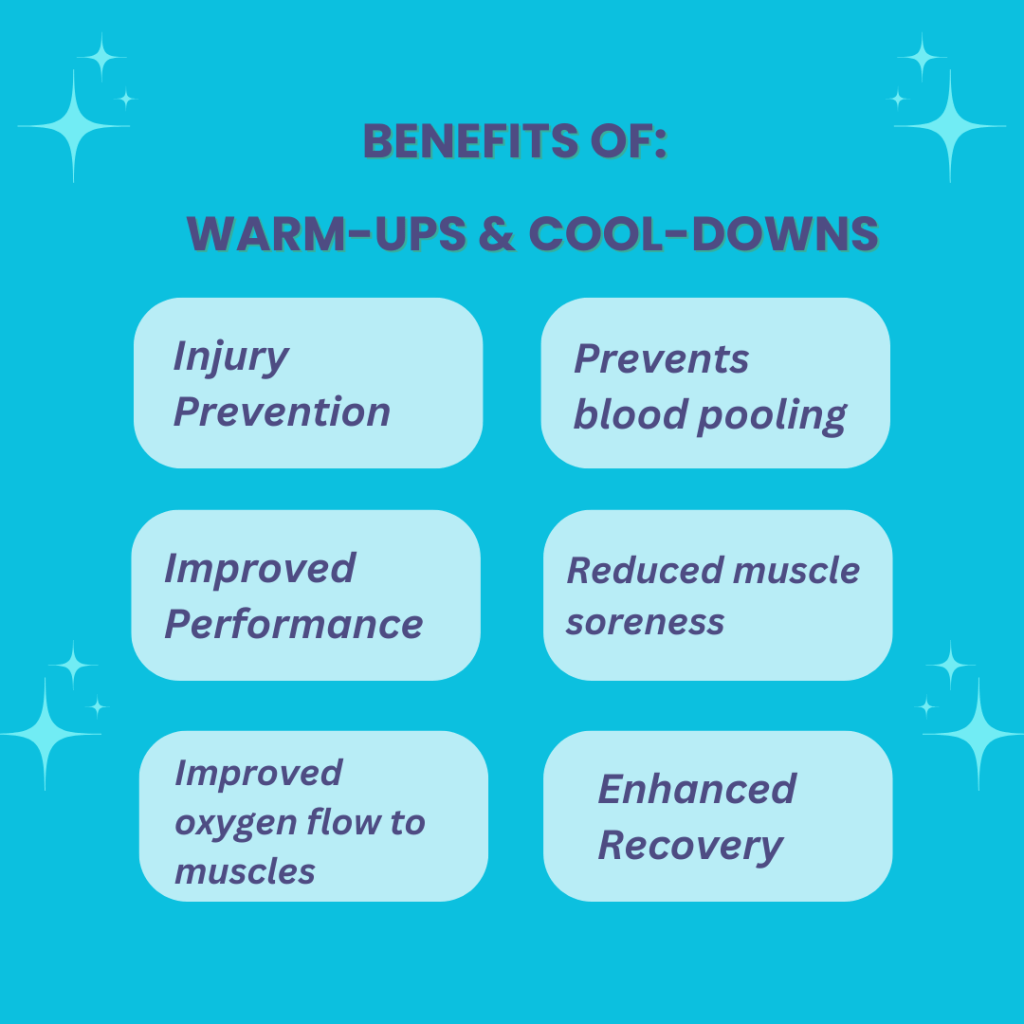
- Injury Prevention: According to a study published in the British Journal of Sports Medicine, a structured warm-up can reduce the risk of injuries by up to 50%. Warm muscles are more flexible and less prone to strains or tears.
- Improved Performance: Research from the Journal of Strength and Conditioning Research found that athletes who warmed up properly had improved power, speed, and endurance during their workouts.
- Increased Blood Flow & Oxygen Supply: A warm-up enhances circulation, delivering more oxygen to working muscles, which improves efficiency and reduces fatigue.
- Better Range of Motion: Stretching and mobility exercises during a warm-up help prepare joints for movement, making workouts smoother and more effective.
- Mental Preparation: Taking time to warm up also prepares your mind for exercise, enhancing focus and reducing stress.
How to Warm Up Properly
A good warm-up should last 5-15 minutes and gradually elevate your heart rate. Here’s how to structure it:
- Start with Light Cardio (3-5 minutes): Activities like jogging in place, jumping jacks, or brisk walking get the blood flowing.
- Dynamic Stretching (5-10 minutes): Incorporate controlled movements that activate major muscle groups, such as leg swings, arm circles, or lunges with a twist.
- Sport-Specific or Workout-Specific Movements: If you’re lifting weights, warm up with bodyweight squats or push-ups. If you’re running, do high knees or butt kicks.
Why Cooling Down is Essential
Just as warming up prepares your body for exercise, cooling down helps it return to a resting state. Stopping exercise suddenly can lead to dizziness, muscle tightness, or even fainting due to abrupt changes in blood circulation.
Key Benefits of Cooling Down:
- Prevents Blood Pooling: A gradual cooldown prevents blood from pooling in your extremities, which can cause lightheadedness or dizziness.
- Reduces Muscle Soreness: The American Journal of Sports Medicine found that cooling down with static stretching reduces delayed onset muscle soreness (DOMS) by improving circulation and flexibility.
- Lowers Heart Rate Gradually: Cooling down allows your heart rate and blood pressure to return to baseline in a controlled manner, reducing stress on the cardiovascular system.
- Enhances Recovery: Gentle movement and stretching after exercise can speed up muscle recovery by flushing out lactic acid.
- Promotes Relaxation: Cooling down helps your body transition into rest mode, reducing stress and promoting mental clarity.
How to Cool Down Effectively
A cooldown should last 5-10 minutes and focus on bringing your heart rate down gradually. Here’s an ideal structure:
- Light Cardio (3-5 minutes): Slow down your pace with walking, cycling at a low resistance, or slow jogging.
- Static Stretching (5-10 minutes): Hold stretches for major muscle groups for 20-30 seconds each. Examples include hamstring stretches, quad stretches, and shoulder stretches.
- Deep Breathing & Relaxation: Take slow, deep breaths to promote relaxation and aid in muscle recovery.
How to Make Warm-Ups and Cool-Downs a Habit
If you struggle to include warm-ups and cool-downs in your workouts, try these tips:
- Schedule Extra Time: Add 10-15 minutes to your workout schedule so you don’t feel rushed.
- Make It Enjoyable: Listen to music, focus on your breathing, or use the time to mentally prepare or reflect.
- Follow a Routine: Stick to a specific set of warm-up and cooldown exercises that suit your workout style.
- Use Technology: Fitness apps and smartwatches can remind you to warm up and cool down.
- Consider the Benefits: Remind yourself that taking these steps will improve your performance and prevent injuries in the long run.
Final Thoughts
Warming up and cooling down are essential components of a well-rounded fitness routine. By taking just a few extra minutes before and after exercise, you can improve performance, prevent injuries, and speed up recovery. Whether you’re lifting weights, running, or doing yoga, making warm-ups and cool-downs a priority will help you stay active and injury-free for years to come.
Would you like a printable warm-up and cool-down guide for your workouts? Let me know, and I’d be happy to create one!
 The Wellness Blossom
Leave a comment