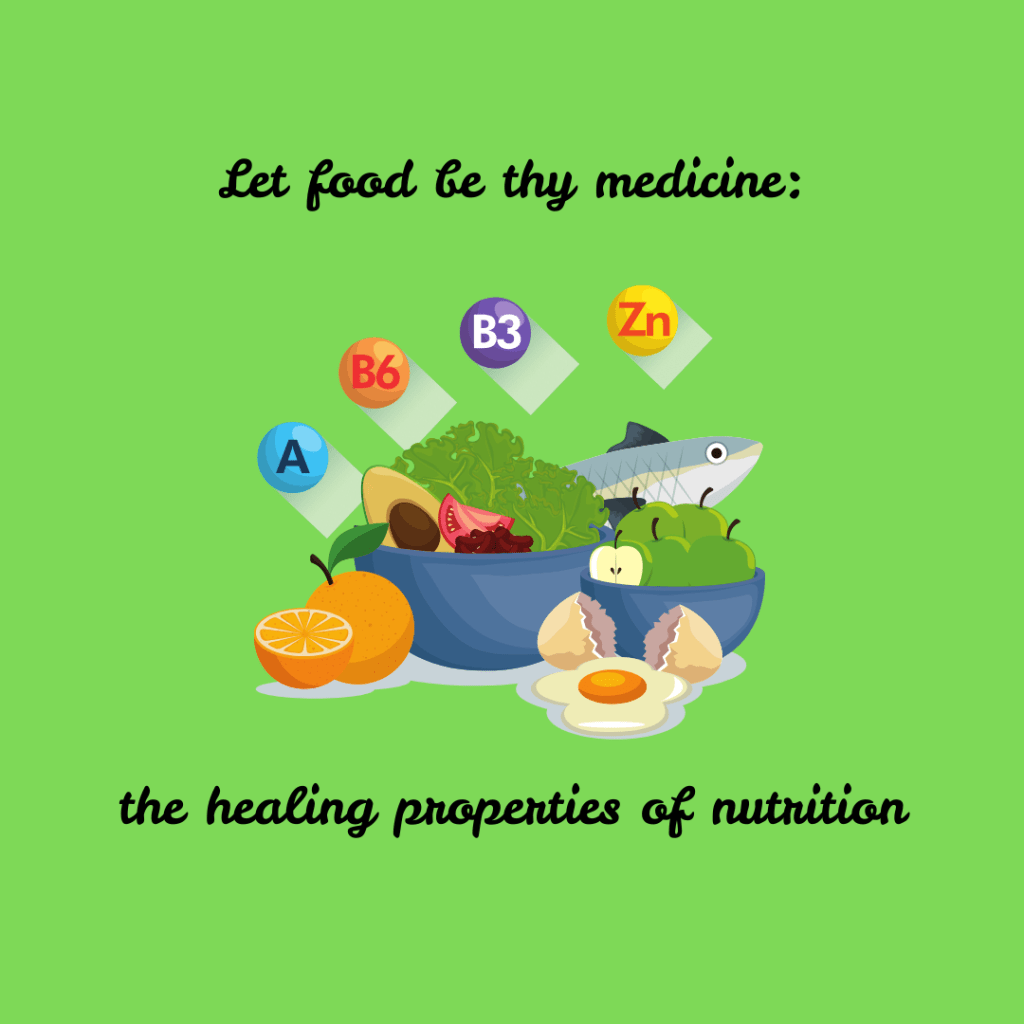
“Let food be thy medicine and medicine be thy food.” This ancient wisdom from Hippocrates still rings true today. The foods we eat don’t just fuel our bodies—they play a critical role in preventing and managing chronic illnesses like hypertension, diabetes, and heart disease. With chronic conditions on the rise globally, understanding how diet can influence health is more important than ever.
In this blog post, we’ll explore how food can be a powerful tool in managing hypertension, diabetes, and other chronic diseases. We’ll dive into dietary approaches like the DASH diet and Mediterranean diet, explain the science behind these strategies, and offer practical tips to help you make healthier choices every day.
The Role of Diet in Chronic Disease Management
Chronic diseases, such as hypertension (high blood pressure), diabetes, and heart disease, are among the leading causes of death and disability worldwide. According to the Centers for Disease Control and Prevention (CDC), 6 in 10 adults in the U.S. have at least one chronic disease, and 4 in 10 have two or more. While genetics and lifestyle factors play a role, diet is one of the most modifiable risk factors for managing these conditions.
But how exactly does food influence chronic diseases?
- Regulating Blood Pressure: Certain nutrients, like potassium, magnesium, and fiber, help regulate blood pressure, while excess sodium can contribute to hypertension.
- Balancing Blood Sugar Levels: Carbohydrate quality and quantity directly impact blood sugar levels, which is critical for managing diabetes.
- Reducing Inflammation: Chronic inflammation is linked to many diseases. Anti-inflammatory foods like fruits, vegetables, and omega-3 fatty acids can help.
- Supporting Heart Health: Healthy fats, fiber, and antioxidants can lower cholesterol and reduce the risk of heart disease.
Hypertension and Diet: The DASH Approach
Hypertension, or high blood pressure, affects nearly half of American adults, according to the American Heart Association. Uncontrolled hypertension can lead to serious health problems like stroke, heart attack, and kidney damage. The good news? Dietary changes can make a significant difference.
The DASH Diet (Dietary Approaches to Stop Hypertension) is one of the most researched and effective dietary strategies for managing high blood pressure.
Key Components of the DASH Diet:
- Lower Sodium Intake: Aim for less than 2,300 mg of sodium per day, or ideally 1,500 mg for those with high blood pressure.
- Increase Potassium-Rich Foods: Potassium helps balance sodium levels and relax blood vessel walls. Good sources include bananas, sweet potatoes, and spinach.
- Eat More Fruits and Vegetables: These are high in fiber, vitamins, and minerals that support heart health.
- Incorporate Whole Grains: Whole grains like brown rice, quinoa, and oats help lower cholesterol and stabilize blood sugar.
- Limit Saturated Fats and Sugars: Opt for lean proteins and healthy fats like olive oil, nuts, and avocados.
Studies have shown that the DASH diet can lower systolic blood pressure by up to 11 mm Hg—a significant reduction that can help prevent complications.
Diabetes and Diet: Managing Blood Sugar Naturally
Diabetes, particularly Type 2 diabetes, is a growing global epidemic. According to the World Health Organization (WHO), the number of adults living with diabetes has quadrupled since 1980. Diet plays a pivotal role in both preventing and managing diabetes.
Key Dietary Strategies for Managing Diabetes:
- Control Carbohydrate Intake:
Carbs have the most immediate impact on blood sugar. Focus on complex carbohydrates like whole grains, legumes, and vegetables, which are digested slowly and cause a gradual rise in blood sugar. - Increase Fiber Intake:
Fiber slows down the absorption of sugar and helps improve blood sugar control. Aim for 25–30 grams of fiber per day from sources like fruits, vegetables, whole grains, and legumes. - Choose Low Glycemic Index Foods:
The glycemic index (GI) ranks foods based on how quickly they raise blood sugar levels. Low-GI foods like sweet potatoes, lentils, and berries help maintain stable blood sugar. - Include Healthy Fats and Lean Proteins:
Fats and proteins slow digestion, reducing blood sugar spikes. Incorporate foods like nuts, seeds, fatty fish, and lean meats into your meals.
The Mediterranean diet is highly effective in managing diabetes, emphasizing whole foods, healthy fats, and lean proteins. Studies have shown that people following a Mediterranean diet have better blood sugar control and lower HbA1c levels (a measure of long-term blood sugar).
Other Chronic Illnesses Affected by Diet
Heart Disease
Heart disease remains the leading cause of death worldwide. A heart-healthy diet can reduce the risk significantly. Focus on:
- Omega-3 Fatty Acids: Found in fatty fish like salmon, these reduce inflammation and improve heart health.
- Antioxidant-Rich Foods: Berries, dark leafy greens, and nuts help reduce oxidative stress.
- Plant-Based Foods: Diets rich in plants and low in processed foods lower cholesterol and blood pressure.
Obesity
Obesity is a major risk factor for many chronic diseases, including diabetes, heart disease, and even some cancers. A balanced diet with portion control, nutrient-dense foods, and regular physical activity can help manage weight effectively.
Chronic Kidney Disease (CKD)
Dietary changes can slow the progression of CKD. Reducing sodium, limiting protein intake, and managing potassium and phosphorus levels are key dietary strategies for kidney health.
Practical Tips to Incorporate Healthy Eating into Your Life
- Plan Your Meals: Meal prepping helps you control ingredients, portion sizes, and sodium content.
- Read Food Labels: Look for hidden sugars, sodium, and unhealthy fats in packaged foods.
- Cook at Home: Cooking your own meals gives you full control over what goes into your body.
- Stay Hydrated: Drinking water helps regulate blood pressure and supports kidney health.
- Practice Mindful Eating: Pay attention to hunger cues, eat slowly, and savor your meals.
Success Stories: Real-Life Examples of Food as Medicine
- Hypertension Reversed with DASH:
A 2019 study published in the New England Journal of Medicine found that participants who adopted the DASH diet saw significant reductions in blood pressure within just two weeks. - Diabetes Managed with the Mediterranean Diet:
In a 2010 study from the Annals of Internal Medicine, individuals with Type 2 diabetes who followed a Mediterranean diet reduced their need for diabetes medications by 50%. - Athletes and Influencers Leading the Way:
Athletes like Venus Williams (who manages an autoimmune disease through diet) and influencers like Max La Manna promote plant-based, whole-food diets that improve health and performance.
Final Thoughts: Let Food Be Your Medicine
The power of food to heal and protect our bodies is undeniable. Whether you’re managing hypertension, diabetes, or another chronic illness, making small, sustainable dietary changes can have a profound impact on your health.
At The Wellness Blossom, we believe that wellness starts from within. By choosing nutrient-rich, whole foods, you’re not just nourishing your body—you’re taking proactive steps toward a healthier, happier life.
Ready to take control of your health through diet? Share your journey in the comments below, and let’s inspire each other to blossom into wellness!
 The Wellness Blossom
Leave a comment