When most people hear the word weightlifting, they often picture bulky bodybuilders, clanking metal plates, and intense gym sessions. But the truth is, weightlifting isn’t just for athletes or gym rats—it’s a powerful tool for everyone, no matter your age, gender, or fitness level.
From boosting metabolism and strengthening bones to improving mental health and enhancing everyday activities, weightlifting offers a wide range of benefits that go far beyond building muscle. In this blog post, we’ll explore why weightlifting is essential for everyone, break down some common myths, and provide practical tips on how to get started with strength training.
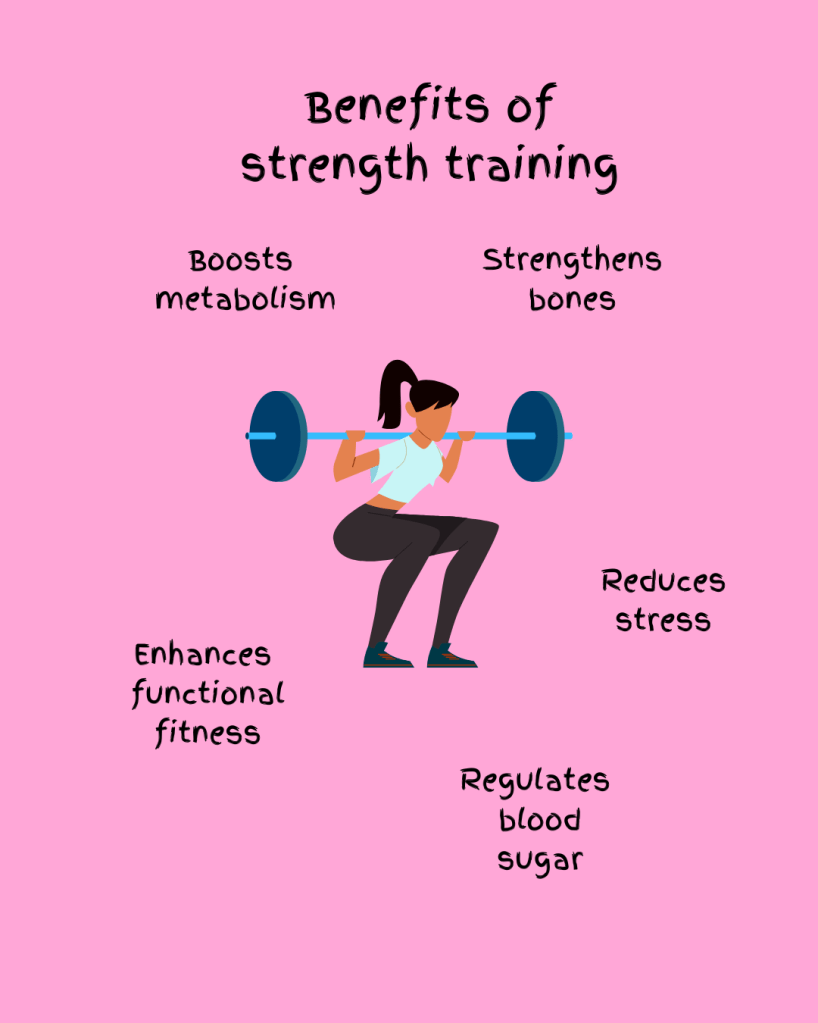
The Benefits of Weightlifting: More Than Just Muscle
Weightlifting isn’t just about aesthetics or achieving a certain “look.” In fact, strength training can transform your health from the inside out, offering benefits for your body, mind, and overall well-being. Let’s dive into some of the most powerful reasons why everyone should add weightlifting to their routine.
1. Boosts Metabolism and Promotes Fat Loss
One of the biggest perks of weightlifting is its ability to rev up your metabolism. When you lift weights, you’re not just burning calories during your workout—you’re also increasing your muscle mass, which helps your body burn more calories at rest. This phenomenon is known as the afterburn effect or excess post-exercise oxygen consumption (EPOC), where your body continues to burn calories long after you’ve finished your workout.
Fun Fact: Muscle tissue burns 3-5 times more calories than fat tissue, even when you’re not exercising. That means the more muscle you have, the more calories you’ll burn throughout the day, making weightlifting a powerful tool for fat loss and weight management.
2. Strengthens Bones and Reduces Risk of Osteoporosis
As we age, our bones naturally lose density, increasing the risk of osteoporosis and fractures. But here’s the good news: weightlifting strengthens bones by stimulating bone growth and increasing bone density. This makes strength training a crucial part of maintaining bone health, especially for older adults and postmenopausal women, who are at higher risk of bone-related issues.
According to the National Osteoporosis Foundation, regular strength training can help reduce the risk of fractures and improve overall bone health, making it a vital part of a healthy lifestyle.
3. Improves Mental Health and Reduces Stress
Weightlifting isn’t just good for your body—it’s great for your mind, too. Research shows that strength training can reduce symptoms of anxiety, depression, and stress, while boosting self-esteem and confidence.
A study published in JAMA Psychiatry found that people who engaged in regular resistance training experienced a 20% reduction in depressive symptoms compared to those who didn’t. The endorphins released during strength training act as natural mood lifters, helping you feel more positive and energized throughout the day.
4. Enhances Functional Fitness and Daily Activities
Think about all the activities you do in your daily life—lifting groceries, climbing stairs, carrying your kids, or even standing up from a chair. These movements require strength, and weightlifting helps improve your functional fitness, making everyday tasks easier and reducing the risk of injuries.
By targeting key muscle groups, strength training improves your balance, coordination, and mobility, which is especially important as we age. It helps keep you independent and active well into your golden years.
5. Regulates Blood Sugar and Reduces Risk of Chronic Diseases
Weightlifting plays a significant role in managing blood sugar levels and reducing the risk of chronic conditions like type 2 diabetes and heart disease. Strength training improves insulin sensitivity, helping your body use glucose more effectively.
According to the American Diabetes Association, incorporating resistance training into your routine can help lower blood sugar levels and reduce the risk of diabetes-related complications.
Common Myths About Weightlifting—Debunked!
Despite all the amazing benefits, many people are still hesitant to pick up a pair of dumbbells. Let’s tackle some of the most common myths about weightlifting and set the record straight.
Myth #1: Weightlifting Will Make You “Bulky”
One of the biggest misconceptions, especially among women, is that lifting weights will lead to a bulky, muscular physique. But the truth is, building large amounts of muscle requires specific training, a high-calorie diet, and often years of dedication.
For most people, weightlifting will lead to leaner, more toned muscles without the bulk. Plus, muscle is denser than fat, so you may even look slimmer as you build strength!
Myth #2: Weightlifting is Only for Young People
Strength training is beneficial at any age. In fact, it’s particularly important for older adults, as it helps prevent muscle loss, improves bone density, and enhances mobility. Studies show that people in their 70s and 80s can still build muscle and strength through regular resistance training.
Myth #3: You Need a Gym Membership to Lift Weights
While gyms offer a variety of equipment, you don’t need fancy machines to start weightlifting. Bodyweight exercises, resistance bands, and household items like water bottles or backpacks filled with books can all be effective tools for building strength at home.
How to Get Started with Weightlifting: Simple Tips for Beginners
Ready to start reaping the benefits of weightlifting? Here are some easy steps to help you get started on your strength training journey.
1. Start with Bodyweight Exercises
If you’re new to weightlifting, begin with basic bodyweight exercises to build a solid foundation. Movements like squats, push-ups, lunges, and planks help strengthen your muscles and improve your form before adding weights.
2. Focus on Proper Form
Good form is crucial to prevent injuries and maximize the effectiveness of your workouts. Consider working with a certified personal trainer or watching instructional videos to learn the correct techniques.
3. Gradually Add Resistance
Once you’re comfortable with bodyweight exercises, start incorporating light weights or resistance bands. Gradually increase the resistance as your strength improves, but always prioritize form over heavy lifting.
4. Incorporate Compound Movements
Compound exercises like deadlifts, bench presses, and rows work multiple muscle groups at once, making them highly effective for building strength and functional fitness.
5. Listen to Your Body
Rest and recovery are just as important as the workouts themselves. Pay attention to how your body feels, and don’t be afraid to take breaks or modify exercises as needed.
Final Thoughts: Weightlifting is for Everyone
Weightlifting isn’t just for bodybuilders or fitness enthusiasts—it’s a powerful, transformative practice that benefits everyone, regardless of age, gender, or fitness level. Whether you’re looking to boost your metabolism, improve your mental health, or simply feel stronger in your everyday life, incorporating strength training into your routine can help you achieve your goals.
At The Wellness Blossom, we believe that wellness is about finding what works for you and embracing healthy habits that support your body and mind. So why not give weightlifting a try? Start small, stay consistent, and watch as you grow stronger—both inside and out.
Have you started your weightlifting journey? Share your experiences and tips in the comments below, and don’t forget to subscribe to The Wellness Blossom for more health and fitness inspiration!
 The Wellness Blossom
Leave a comment