In today’s fast-paced world, stress seems like an inevitable part of life. Between juggling work, family, personal goals, and social commitments, it’s easy to feel overwhelmed. While occasional stress is normal—and even helpful in small doses—chronic stress can have serious consequences for your physical, mental, and emotional health.
At The Wellness Blossom, we believe that wellness isn’t just about diet and exercise; it’s also about managing your mental and emotional well-being. In this blog post, we’ll dive into the negative impacts of stress, share eye-opening statistics, and offer practical stress management tips to help you live a healthier, more balanced life.
The Science of Stress: What Happens to Your Body?
When you encounter a stressful situation, your body responds by activating the “fight or flight” response. This triggers the release of stress hormones like cortisol and adrenaline, which prepare your body to deal with the threat. While this response is helpful in short-term, high-pressure situations, prolonged exposure to these hormones can wreak havoc on your health.
The Negative Impacts of Chronic Stress
While short-term stress can sharpen your focus and boost your energy, chronic stress can lead to a wide range of health problems. Here’s how stress can negatively impact different areas of your life:
1. Physical Health Issues
- Heart Disease: Chronic stress increases your heart rate and blood pressure, putting extra strain on your cardiovascular system. According to the American Heart Association, long-term stress is linked to a higher risk of heart disease, stroke, and hypertension.
- Weakened Immune System: Stress suppresses the immune system, making you more susceptible to illnesses like the common cold, flu, and infections.
- Digestive Problems: Stress can lead to digestive issues like irritable bowel syndrome (IBS), acid reflux, and ulcers. It also affects appetite, leading to unhealthy eating habits and weight fluctuations.
- Chronic Pain and Muscle Tension: Stress causes your muscles to tense up, leading to headaches, back pain, and joint stiffness.
2. Mental and Emotional Health Challenges
- Anxiety and Depression: Prolonged stress can contribute to anxiety disorders and depression. According to the National Institute of Mental Health (NIMH), nearly 31% of U.S. adults experience an anxiety disorder at some point in their lives, with stress being a major contributing factor.
- Sleep Disturbances: Stress disrupts your sleep cycle, leading to insomnia or poor-quality sleep. This creates a vicious cycle, as lack of sleep further increases stress levels.
- Memory and Concentration Issues: Chronic stress affects the hippocampus, the part of the brain responsible for memory and learning, making it harder to focus and retain information.
3. Impact on Relationships and Social Life
- Irritability and Mood Swings: Stress can make you more irritable and impatient, affecting your relationships with family, friends, and colleagues.
- Social Withdrawal: People under chronic stress often withdraw from social activities, leading to isolation and feelings of loneliness, which can exacerbate mental health issues.
Eye-Opening Stress Statistics
- According to the American Psychological Association (APA), nearly 77% of people regularly experience physical symptoms caused by stress, and 73% report experiencing psychological symptoms.
- The World Health Organization (WHO) recognizes stress as the “health epidemic of the 21st century.”
- Workplace stress costs U.S. businesses up to $300 billion annually due to absenteeism, reduced productivity, and healthcare costs.
How to Manage and Reduce Stress: Practical Tips for a Healthier Life
Now that we understand the dangers of chronic stress, the next step is learning how to manage and reduce it. Here are proven strategies to help you stay calm, focused, and balanced in your everyday life.
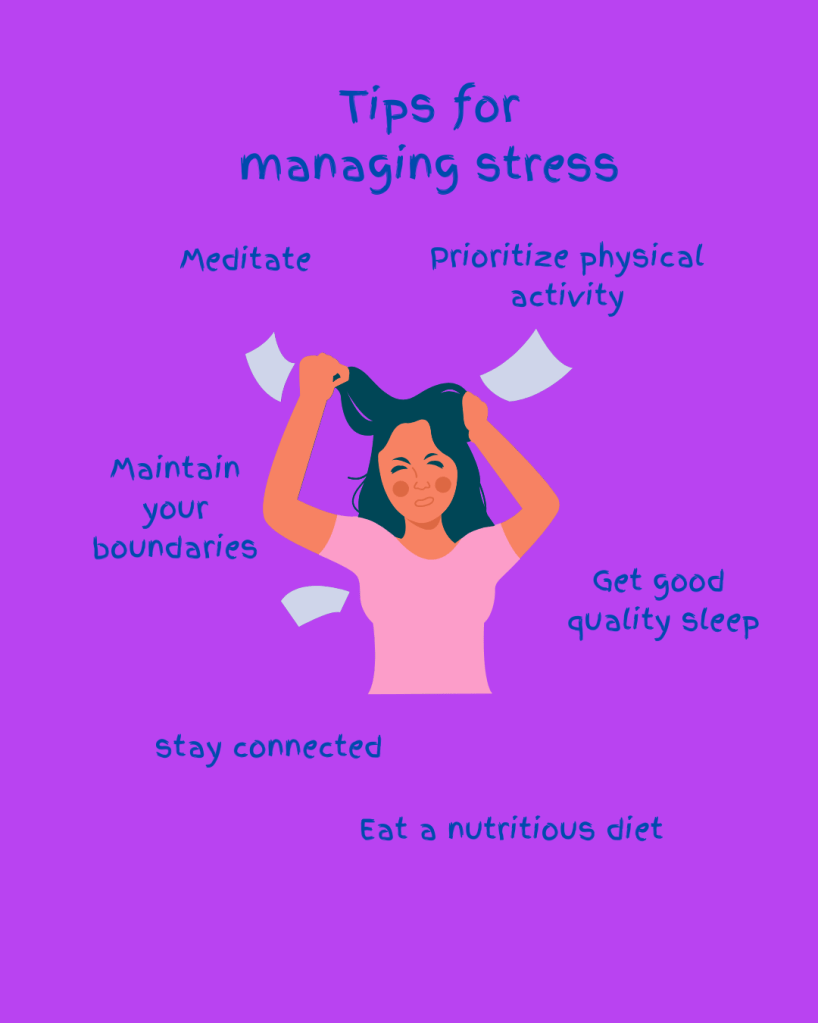
1. Practice Mindfulness and Meditation
Mindfulness involves staying present and fully engaged in the moment, which helps reduce anxiety and negative thinking. Even just 5-10 minutes of meditation each day can significantly lower stress levels.
- Try this: Use guided meditation apps like Headspace or Calm, or practice simple breathing exercises like the 4-7-8 technique (inhale for 4 seconds, hold for 7, exhale for 8).
2. Prioritize Physical Activity
Exercise is one of the most effective stress relievers. Physical activity releases endorphins, the body’s natural mood boosters, and helps reduce levels of cortisol.
- Tip: You don’t have to hit the gym every day. Even a brisk 20-minute walk, a quick home workout, or practicing yoga can do wonders for your stress levels.
3. Get Quality Sleep
Poor sleep and stress go hand-in-hand. Aim for 7-9 hours of quality sleep each night to help your body recover and regulate stress hormones.
- Sleep Tips:
- Establish a consistent bedtime routine.
- Limit screen time before bed.
- Avoid caffeine and heavy meals in the evening.
4. Eat a Balanced Diet
Your diet plays a significant role in managing stress. Foods rich in omega-3 fatty acids, vitamins, and minerals help regulate mood and reduce anxiety.
- Stress-Reducing Foods:
- Leafy greens (spinach, kale)
- Fatty fish (salmon, tuna)
- Nuts and seeds
- Whole grains
- Berries and citrus fruits
5. Stay Connected with Loved Ones
Social support is crucial for managing stress. Spending time with friends and family can provide comfort and help you feel more grounded.
- Tip: Even a quick phone call, video chat, or text message can make a big difference when you’re feeling overwhelmed.
6. Set Boundaries and Learn to Say No
Many of us take on too much, leading to burnout and stress. It’s important to recognize your limits and set healthy boundaries.
- Tip: Prioritize your commitments and don’t be afraid to say no to things that drain your energy or cause unnecessary stress.
7. Engage in Hobbies and Creative Outlets
Doing things you love helps shift your focus away from stress. Whether it’s painting, gardening, reading, or playing music, hobbies are a great way to unwind and recharge.
Final Thoughts: Embrace a Stress-Free Life with The Wellness Blossom
Stress might be a part of life, but it doesn’t have to control you. By recognizing the negative impacts of chronic stress and incorporating healthy coping strategies into your routine, you can take control of your mental, emotional, and physical well-being.
At The Wellness Blossom, we’re here to support you on your journey to a balanced, stress-free life. Whether it’s through mindfulness practices, fitness tips, or healthy lifestyle advice, our mission is to help you blossom into your best self.
How do you manage stress in your daily life? Share your tips in the comments below, and don’t forget to subscribe to The Wellness Blossom for more wellness insights and inspiration!
 The Wellness Blossom
Leave a comment