When it comes to fitness, sticking to the same workout routine can feel safe and comfortable. But what if I told you that doing the same exercises day in and day out might be holding you back from achieving your full potential? Enter cross-training—the game-changing approach that not only keeps your workouts fresh but also boosts your overall fitness, reduces injury risk, and helps you reach your goals faster.
At The Wellness Blossom, we’re all about finding sustainable, effective ways to enhance your health, and cross-training is one of the best tools in your wellness toolkit. In this blog post, we’ll explore why cross-training is essential, the benefits it brings to your body and mind, and how to easily incorporate it into your routine.
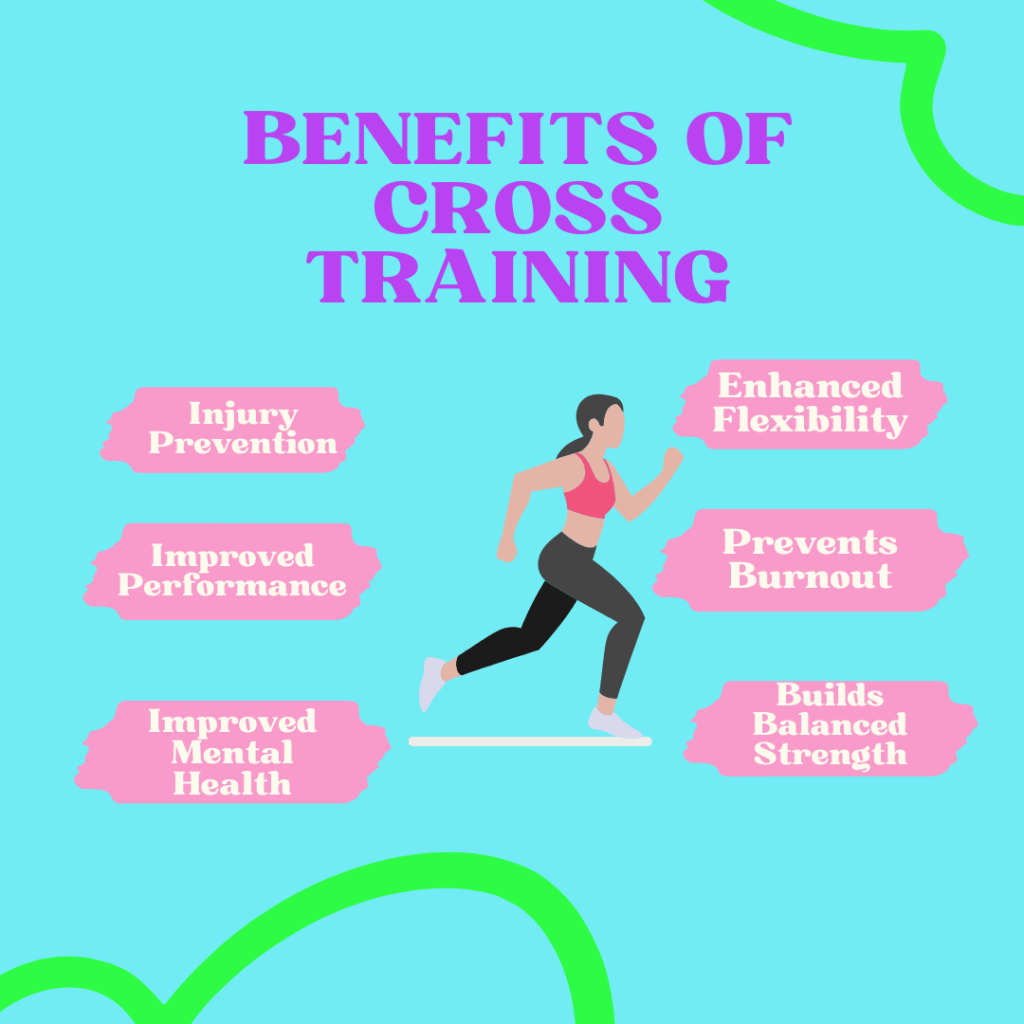
What Is Cross-Training?
Cross-training involves engaging in a variety of different exercises and workout styles instead of focusing on just one type of activity. For example, a runner might add cycling, swimming, or strength training into their routine, while someone who loves yoga might incorporate weightlifting or cardio.
The idea is to work different muscle groups, improve various aspects of fitness (like strength, endurance, flexibility, and balance), and prevent overuse injuries that can come from repetitive movements.
1. Prevent Injury and Overuse
One of the biggest benefits of cross-training is injury prevention. Repetitive strain from doing the same activity—like running or lifting—can lead to overuse injuries. When you mix up your workouts, you give specific muscles and joints a break while still staying active.
- Example: Runners often experience knee pain or shin splints due to the repetitive pounding on their joints. Adding low-impact activities like swimming or cycling can reduce the stress on their legs while maintaining cardiovascular fitness.
2. Build Balanced Strength and Fitness
Focusing on one type of exercise can create muscle imbalances. For instance, if you only do cardio, you might have great endurance but lack strength. If you only lift weights, you might be strong but have limited flexibility or endurance.
Cross-training helps develop a more balanced, well-rounded fitness level by engaging different muscle groups and improving multiple aspects of your health.
- Example: Combining strength training with yoga improves both muscular strength and flexibility, leading to better overall performance and reduced risk of injury.
3. Improve Performance in Your Primary Sport
Whether you’re training for a race or just trying to hit a personal fitness goal, cross-training can actually enhance your performance in your favorite activity.
- Strength training helps runners build stronger muscles, improving speed and endurance.
- Swimming improves lung capacity and cardiovascular endurance for cyclists.
- Yoga or Pilates enhances flexibility and balance for weightlifters, reducing the risk of muscle strain.
By addressing weaknesses and developing complementary skills, you’ll see improvements in your primary sport or exercise.
4. Break Through Plateaus
Hitting a fitness plateau is frustrating. If you’ve been doing the same workout routine for months and stopped seeing progress, it’s time to shake things up.
Cross-training challenges your body in new ways, which can reignite progress and help you overcome those stubborn plateaus.
- Example: If you’ve been running the same distance at the same pace, adding interval training, cycling, or HIIT workouts can challenge your muscles differently and improve your speed and endurance.
5. Keep Workouts Exciting and Prevent Burnout
Let’s be real—doing the same workout every day can get boring. Exercise boredom is a common reason people lose motivation to stay active. Cross-training keeps your routine exciting and helps you stay engaged.
- Trying new activities like dance classes, kickboxing, or rock climbing can reignite your passion for fitness.
- Mixing in different workout styles prevents mental fatigue and keeps your body guessing.
6. Boost Mental Health and Reduce Stress
Physical activity is a powerful tool for managing stress and improving mental health, but varying your workouts can provide even greater benefits.
- Mind-body exercises like yoga or tai chi can help reduce stress and promote relaxation.
- High-energy activities like kickboxing or spinning can provide a healthy outlet for releasing tension.
By incorporating different types of workouts, you’re more likely to find activities you genuinely enjoy, making it easier to stay consistent and motivated.
7. Enhance Flexibility and Mobility
Many people neglect flexibility and mobility in their fitness routines, focusing instead on cardio or strength training. Cross-training allows you to incorporate exercises that improve joint health, flexibility, and range of motion.
- Adding yoga, Pilates, or dynamic stretching to your routine enhances flexibility and can prevent stiffness and injury.
- These practices also improve posture and alignment, which benefits other activities like running, lifting, or cycling.
How to Incorporate Cross-Training into Your Routine
Ready to give cross-training a try? Here’s how to incorporate it into your fitness routine without feeling overwhelmed.
1. Identify Your Primary Activity
Start by identifying your main exercise or sport. From there, choose cross-training activities that complement your goals and address any weaknesses.
- Runners: Add strength training, swimming, or yoga.
- Lifters: Incorporate cardio like cycling or HIIT, along with flexibility work like yoga.
- Cyclists: Try swimming for upper body strength or weightlifting for lower body power.
2. Schedule Variety into Your Week
Aim to include at least 2-3 different types of exercises each week. This could look like:
- Monday: Strength training
- Wednesday: Yoga or Pilates
- Friday: Cardio (running, cycling, or swimming)
- Saturday: Outdoor activity (hiking, dancing, or recreational sports)
3. Listen to Your Body
Cross-training is about balance, not overdoing it. Pay attention to how your body feels and adjust your routine as needed. If you’re feeling sore or fatigued, opt for a low-impact activity like swimming or stretching.
4. Have Fun and Experiment
The beauty of cross-training is the freedom to try new things. Don’t be afraid to step out of your comfort zone and explore different workouts.
- Take a dance class, try rock climbing, or sign up for a group fitness session at your local gym.
- Variety not only improves your fitness but keeps exercise exciting and enjoyable.
Final Thoughts: Find Your Fitness Balance with Cross-Training
Cross-training is more than just a way to mix up your workouts—it’s a proven method to improve overall fitness, prevent injuries, and stay motivated on your wellness journey. By incorporating a variety of exercises into your routine, you’ll build a stronger, more balanced body and mind.
At The Wellness Blossom, we believe that fitness should be fun, diverse, and accessible to everyone. So, whether you’re a seasoned athlete or just starting your fitness journey, give cross-training a try and experience the transformative benefits for yourself.
What’s your favorite way to cross-train? Share your tips and experiences in the comments below, and don’t forget to subscribe to The Wellness Blossom for more wellness tips and inspiration!
 The Wellness Blossom
Leave a comment