When it comes to health and wellness, we often focus on diet, exercise, sleep, and mental health. However, there’s one critical factor that often gets overlooked—gut health. Your gut, also known as the gastrointestinal (GI) tract, plays a crucial role in digestion, immune function, mental health, and even chronic disease prevention.
At The Wellness Blossom, we believe that a healthy gut is the foundation of a thriving body and mind. In this blog post, we’ll explore the importance of gut health, how it impacts the rest of your body, and simple steps to improve your gut microbiome.
What is Gut Health?
Gut health refers to the balance and function of the trillions of microorganisms living in your digestive system, collectively known as the gut microbiome. These microbes, which include bacteria, fungi, and viruses, help break down food, absorb nutrients, and protect against harmful pathogens.
A diverse and balanced gut microbiome is essential for digestion, metabolism, immune response, and even mental health. When this balance is disrupted—due to poor diet, stress, antibiotics, or lack of sleep—it can lead to inflammation, digestive issues, and increased risk of chronic diseases.
How Gut Health Affects the Rest of Your Body
Your gut does more than just process food—it influences almost every aspect of your health. Here’s how:
1. Gut Health and Digestion
A healthy gut microbiome ensures smooth digestion, preventing issues like bloating, constipation, and acid reflux. Beneficial bacteria help break down fiber, produce essential vitamins (such as B12 and K), and support the absorption of key nutrients.
If your gut is imbalanced, you may experience irritable bowel syndrome (IBS), food intolerances, and chronic digestive discomfort.
2. Gut Health and the Immune System
About 70% of your immune system resides in your gut. The gut microbiome acts as a protective barrier, preventing harmful bacteria and toxins from entering the bloodstream.
When your gut health is compromised, your immune system weakens, making you more susceptible to infections, allergies, and autoimmune diseases like rheumatoid arthritis and lupus.
3. Gut Health and Mental Health
The gut and brain are closely connected through the gut-brain axis, a communication pathway between the gut and the central nervous system. The microbiome plays a key role in producing neurotransmitters like serotonin and dopamine, which regulate mood and emotions.
An unhealthy gut has been linked to anxiety, depression, brain fog, and even neurodegenerative diseases. Improving gut health can lead to better mental clarity, reduced stress, and improved mood.
4. Gut Health and Weight Management
Your gut microbiome affects how your body processes food and stores fat. Certain gut bacteria influence metabolism, appetite regulation, and insulin sensitivity.
A balanced gut supports healthy weight management, while an imbalanced microbiome has been linked to obesity, diabetes, and metabolic disorders.
5. Gut Health and Skin
Inflammation in the gut can manifest as skin issues like acne, eczema, rosacea, and premature aging. The gut-skin axis explains how an unhealthy gut microbiome contributes to inflammatory skin conditions.
By improving gut health, many people notice clearer, healthier skin over time.
6. Gut Health and Heart Health
Your gut bacteria influence cholesterol levels, blood pressure, and overall heart health. Some microbes help reduce inflammation and promote healthy cholesterol levels, while an unhealthy gut can contribute to high blood pressure, heart disease, and stroke risk.
How to Improve Your Gut Health
The good news is that you can support your gut health with simple lifestyle changes. Here’s how:
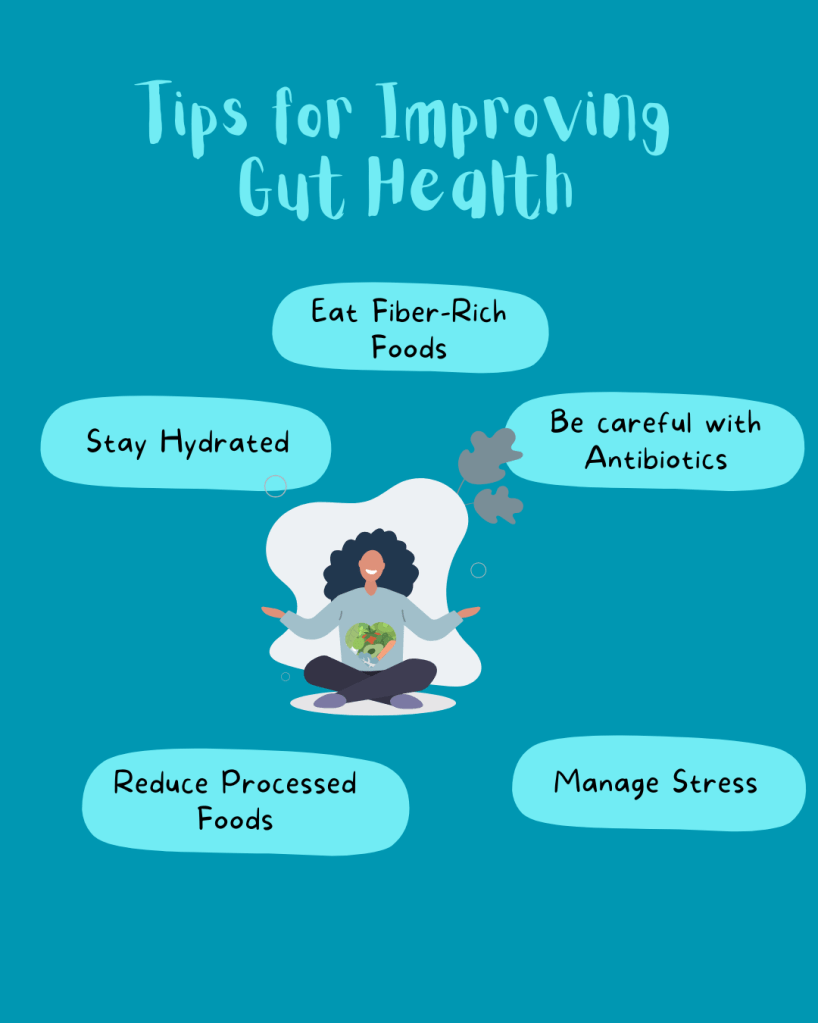
1. Eat More Fiber-Rich Foods
Fiber feeds beneficial gut bacteria and supports digestion. Include:
- Fruits and vegetables (berries, apples, spinach, carrots)
- Whole grains (quinoa, brown rice, oats)
- Legumes (lentils, chickpeas, black beans)
- Nuts and seeds (chia seeds, flaxseeds, almonds)
2. Incorporate Probiotic and Prebiotic Foods
Probiotics are live beneficial bacteria that help restore gut balance. Find them in:
- Yogurt (with live cultures)
- Fermented foods (kimchi, sauerkraut, kefir, miso, kombucha)
- Pickles (naturally fermented, not vinegar-based)
Prebiotics feed the good bacteria. Sources include:
- Garlic, onions, leeks
- Bananas
- Asparagus, artichokes
3. Stay Hydrated
Water helps digestion and keeps the gut lining healthy. Aim for at least eight glasses of water per day.
4. Reduce Processed Foods and Sugar
Processed foods and added sugars disrupt gut bacteria, leading to inflammation and poor digestion. Limit:
- Artificial sweeteners
- Fried foods
- Excess alcohol and sugary drinks
5. Manage Stress
Chronic stress negatively impacts gut health. Incorporate stress management techniques such as:
- Meditation and deep breathing
- Exercise (yoga, walking, strength training)
- Prioritizing sleep (7-9 hours per night)
6. Get Enough Sleep
Poor sleep disrupts the gut microbiome and increases inflammation. Create a relaxing bedtime routine and avoid screens before bed to improve sleep quality.
7. Be Cautious with Antibiotics
While antibiotics are necessary for certain infections, they also kill beneficial gut bacteria. If you need to take antibiotics, follow up with probiotics and a gut-friendly diet to restore balance.
Final Thoughts: Your Gut is the Foundation of Health
Your gut health influences every part of your well-being, from digestion and immunity to mental clarity and skin health. By making small, intentional changes to your diet and lifestyle, you can support a thriving gut microbiome and improve your overall health.
At The Wellness Blossom, we encourage you to prioritize gut health as part of your wellness journey. Start by adding more fiber, probiotics, and prebiotics to your diet, staying hydrated, managing stress, and getting quality sleep. Your body—and mind—will thank you.
For more wellness tips, follow The Wellness Blossom on Instagram and TikTok for daily inspiration, gut-friendly recipes, and expert health advice.
What’s your favorite gut-friendly food? Let us know in the comments!
 The Wellness Blossom
Leave a comment