When it comes to maintaining a healthy lifestyle, we often hear about the importance of macronutrients: carbohydrates, fats, and proteins. While all are essential to our well-being, protein stands out for its unique role in building, repairing, and maintaining tissues in the body. Protein plays a significant part in muscle development, immune function, and countless biochemical processes, which makes it crucial to incorporate enough of it into your diet.
In this article, we’ll dive into the significance of protein, how it’s used by the body, foods that are rich in protein, the differences between complete and incomplete proteins, and tips on how to easily incorporate more of this vital nutrient into your daily routine.
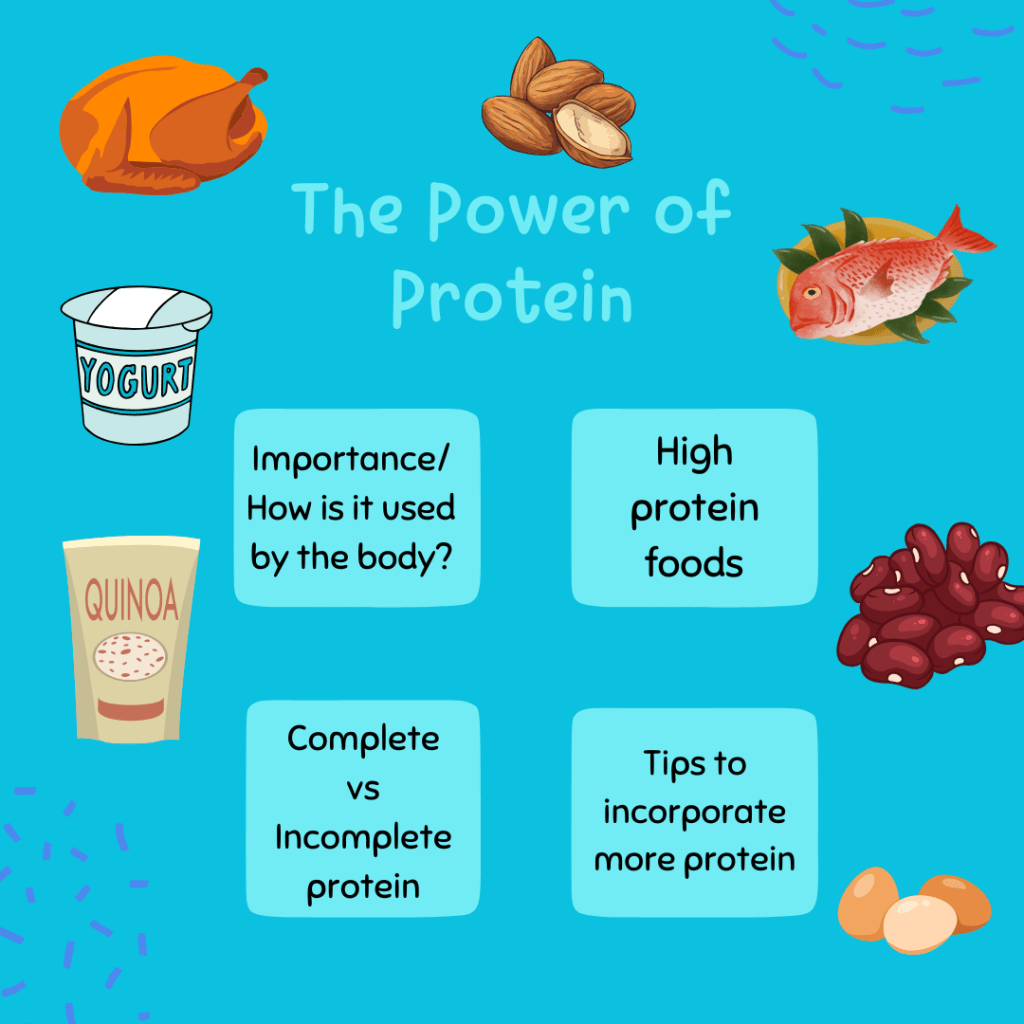
The Importance of Protein
Protein is often referred to as the “building block” of the body because it is involved in nearly every cellular function. Every cell in your body contains protein, and it is needed for the growth, repair, and maintenance of tissues. Protein is essential for muscle growth, immune system health, hormone production, enzyme creation, and transporting nutrients.
Beyond supporting physical structures like muscles and bones, protein also plays an important role in:
- Enzyme Production: Enzymes are proteins that catalyze vital chemical reactions, such as digestion and metabolism.
- Hormone Balance: Certain hormones, like insulin and growth hormone, are made from proteins and regulate processes like metabolism and growth.
- Immune Function: Proteins make up antibodies that defend your body against harmful invaders such as bacteria and viruses.
- Energy: In times when your body doesn’t have enough carbohydrates or fats to burn for fuel, it will break down protein for energy, although this is not its primary role.
How Protein is Used by the Body
Once you consume protein through food, your body breaks it down into its building blocks, called amino acids. These amino acids are absorbed into your bloodstream through the digestive system. Your body needs 20 different amino acids to function optimally, and of these, 9 are considered “essential” because they cannot be made by the body and must come from food. The remaining 11 are “non-essential,” meaning your body can synthesize them from other amino acids.
Once absorbed, amino acids play various roles, including:
- Muscle Repair and Growth: After exercise or physical activity, your body needs protein to repair any micro-tears in muscle fibers. This is especially important for athletes or anyone looking to build muscle.
- Immune Support: Amino acids are used to produce antibodies, which help fight off infections and diseases.
- Enzyme Production: Proteins are used to create enzymes that aid in digestion, metabolism, and other bodily processes.
Foods High in Protein
While protein is found in many foods, some are more protein-dense than others. Below are some great sources of protein to help you meet your daily intake goals:
Animal-Based Protein Sources:
- Chicken breast: A lean and versatile source of protein that is low in fat.
- Turkey: Another lean poultry option that is packed with protein.
- Fish: Salmon, tuna, and cod are excellent protein sources and also provide healthy omega-3 fatty acids.
- Eggs: A complete protein source that contains all 9 essential amino acids.
- Dairy: Milk, yogurt, and cheese provide high-quality protein and calcium.
Plant-Based Protein Sources:
- Legumes: Beans, lentils, and chickpeas are rich in protein and fiber.
- Tofu and Tempeh: Soy-based products that provide complete protein for vegetarians and vegans.
- Quinoa: A grain that is a complete protein, offering all the essential amino acids.
- Nuts and seeds: Almonds, peanuts, chia seeds, and hemp seeds are great for a protein boost.
- Edamame: Young soybeans that provide a substantial amount of protein.
Complete vs. Incomplete Proteins
Proteins are classified as either complete or incomplete, depending on whether they contain all nine essential amino acids.
- Complete proteins are those that contain all nine essential amino acids in sufficient amounts. These are typically found in animal-based products, such as:
- Meat
- Poultry
- Fish
- Eggs
- Dairy products
- Incomplete proteins are those that are missing one or more of the essential amino acids. While these proteins are still valuable, you need to combine different plant-based foods to ensure you’re getting all of the essential amino acids. Examples of incomplete protein sources include:
- Legumes (beans, lentils, peas)
- Nuts and seeds
- Whole grains (brown rice, oats, quinoa)
- Vegetables
If you’re following a vegetarian or vegan diet, it’s important to combine different plant-based foods to ensure you’re getting a complete amino acid profile. For example, combining beans and rice or hummus and whole wheat pita ensures that you’re covering all nine essential amino acids.
Tips for Incorporating More Protein Into Your Diet
Incorporating enough protein into your diet can sometimes be challenging, especially if you’re on a busy schedule or not used to tracking your nutrient intake. Here are some simple and effective ways to boost your protein intake throughout the day:
- Start your day with protein: Make eggs, Greek yogurt, or a protein smoothie a part of your breakfast. A protein-packed morning meal can help keep you satisfied throughout the day.
- Snack smart: Choose snacks that are rich in protein, such as nuts, seeds, protein bars, or cottage cheese. A small handful of almonds or a hard-boiled egg can help tide you over between meals.
- Add protein to salads: Include chickpeas, grilled chicken, tofu, or hard-boiled eggs in your salads to boost their protein content.
- Use protein powders: If you’re having trouble meeting your protein needs through food alone, consider adding a protein powder to smoothies or baked goods. There are many plant-based and whey protein options available.
- Swap out carbs for protein: Try substituting higher-carb items with higher-protein alternatives. For example, use quinoa instead of rice or cauliflower rice, or try using a protein-rich wrap instead of regular bread for sandwiches.
- Incorporate legumes into your meals: Add beans, lentils, or chickpeas to soups, stews, salads, or pasta dishes. They’re an excellent source of plant-based protein.
- Choose lean cuts of meat: Opt for skinless chicken breast, lean cuts of beef, or fish like salmon or tuna, which are rich in protein but lower in unhealthy fats.
Conclusion
Protein is a vital nutrient that plays a crucial role in keeping our bodies functioning properly. From supporting muscle growth to boosting immunity, protein helps us stay strong, healthy, and energized. Whether you’re following a plant-based diet or enjoy animal products, there are plenty of delicious and nutritious ways to incorporate protein into your meals. By understanding the differences between complete and incomplete proteins and being mindful of protein-rich foods, you can optimize your diet and fuel your body with the building blocks it needs to thrive.
Remember, it’s not just about the quantity of protein you consume, but also the quality and variety. By combining protein sources and making thoughtful choices, you’ll be setting yourself up for better health and well-being. So, get creative with your meals and enjoy the benefits of a protein-packed diet! 🌸
 The Wellness Blossom
Leave a comment